Creating a productive home office environment is essential for anyone working remotely or running a business from home. A well-organized and comfortable workspace helps maintain focus, reduce distractions, and improve overall job satisfaction. Whether you have a dedicated room or just a corner in your living space, these practical tips will help you design an environment that supports your work goals.
Choose the Right Location
Selecting the best spot for your home office is the foundation of productivity. If possible, pick a quiet area away from household traffic. Avoid spaces that serve many purposes, like the kitchen or living room, to minimize distractions.
– Prefer natural light by setting up near a window.
– Consider the room’s temperature and ventilation for comfort.
– Ensure there’s enough space for your equipment and storage needs.
Invest in Comfortable and Functional Furniture
Having the right furniture can make a big difference in your comfort and focus.
Desk
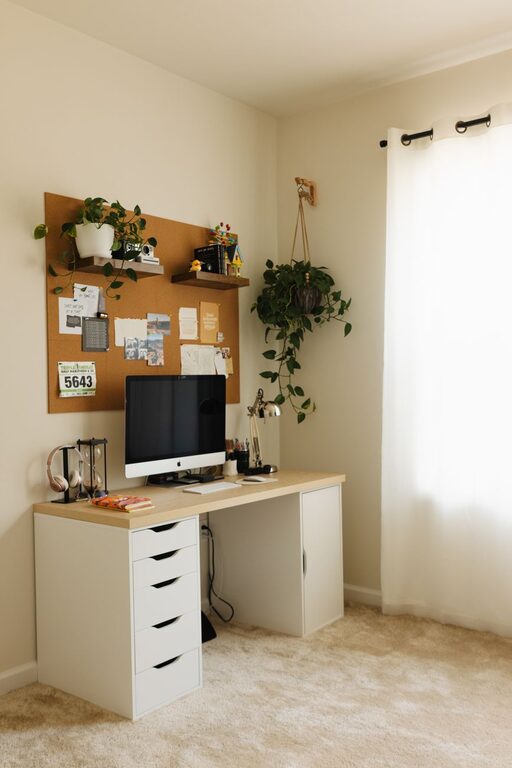
Choose a desk with enough surface area for your computer, notebooks, and other essentials. Standing desks or adjustable desks offer flexibility and can promote better posture.
Chair
A supportive, ergonomic chair reduces the risk of back pain and keeps you comfortable throughout the workday. Look for chairs that offer adjustable height, lumbar support, and cushioning.
Storage
Incorporate shelves, filing cabinets, or desk organizers to keep your space tidy. Clutter can distract you and slow down your workflow.
Optimize Lighting
Good lighting is crucial to reduce eye strain and fatigue.
– Maximize natural daylight to create a lively and inviting workspace.
– Use adjustable task lighting for detailed work or reading.
– Avoid harsh overhead lights that cast shadows or create glare on screens.
Manage Noise and Distractions
Maintaining concentration can be difficult without proper noise control.
– Use noise-canceling headphones if you cannot control your environment.
– Incorporate soundproofing elements like rugs, curtains, or acoustic panels.
– Set boundaries with family or roommates about your work hours.
Organize Your Digital Workspace
A cluttered computer desktop and disorganized files can slow you down.
– Create clear folders and naming conventions for easy file access.
– Use productivity apps or calendars to plan your day and manage tasks.
– Consider dual monitors if your work involves multiple applications or research.
Personalize Your Space Thoughtfully
Adding personal touches to your home office can enhance motivation and make spending time there more enjoyable.
– Use plants to bring in natural elements and improve air quality.
– Hang artwork or photos that inspire you.
– Choose colors that promote focus and calmness, such as soft blues or greens.
Maintain a Routine and Take Breaks
Having a consistent schedule establishes boundaries between work and home life.
– Set regular working hours and stick to them.
– Take short breaks every hour to stretch and move around.
– Use techniques like the Pomodoro method to maintain productivity.
Keep Your Workspace Clean and Clutter-Free
A clean workspace helps keep your mind clear and organized.
– End each day by tidying your desk.
– Clean electronics and surfaces regularly.
– Limit items on your desk to essentials only.
Technology Setup
Reliable technology is key to an efficient home office.
– Ensure you have a fast and stable internet connection.
– Invest in necessary peripherals like keyboards, mice, and webcams.
– Use surge protectors and backup storage to protect your data.
Prioritize Ergonomics
Small adjustments can improve comfort and reduce physical strain.
– Position your computer screen at eye level.
– Use a keyboard and mouse placement that prevents wrist strain.
– Maintain good posture while sitting.
—
By putting these tips into practice, you can create a home office environment that supports your productivity, comfort, and well-being. Remember, the key is to tailor your workspace to your personal needs and preferences, making it a place where you enjoy spending your workday.
About the Author